Related: Robot Vacuum Maintenance: The 5-Minute Weekly Habit
I've been running cleaning crews through 40-plus homes a week for nine years, and the number one reason a client's $9.99 bot ends up in a closet is not a broken motor. It's a clogged filter, a matted brush roll, or a sensor so caked in dust it can't find its way back to the dock.
A robot vacuum maintenance schedule checklist isn't a luxury. It's the difference between a bot that lasts three years and one that dies in eight months.
The honest truth: every robot vacuum on the market needs maintenance on a schedule, and most owners never do it. The ones who do get 3-4 times the lifespan out of their machine. Here's the exact checklist I use for my clients, refined over a month of daily testing on my own floors.
Pros:
- Bots last 2-3 years longer when filters and brushes are cleaned on schedule
- Suction stays consistent; no "why is it suddenly leaving dust everywhere" moments
- Fewer stuck loops and navigation errors, since sensors stay clear
- Self-emptying bases don't smell like a barn after six weeks
Cons:
- It's a recurring chore. Every 2-4 weeks you're doing a 15-minute teardown
- Some brands make filters and rollers unnecessarily hard to remove
- You'll buy replacement parts 2-3 times a year, which adds up to $40-$80 annually
The Short List: Maintenance Needs by Bot Category
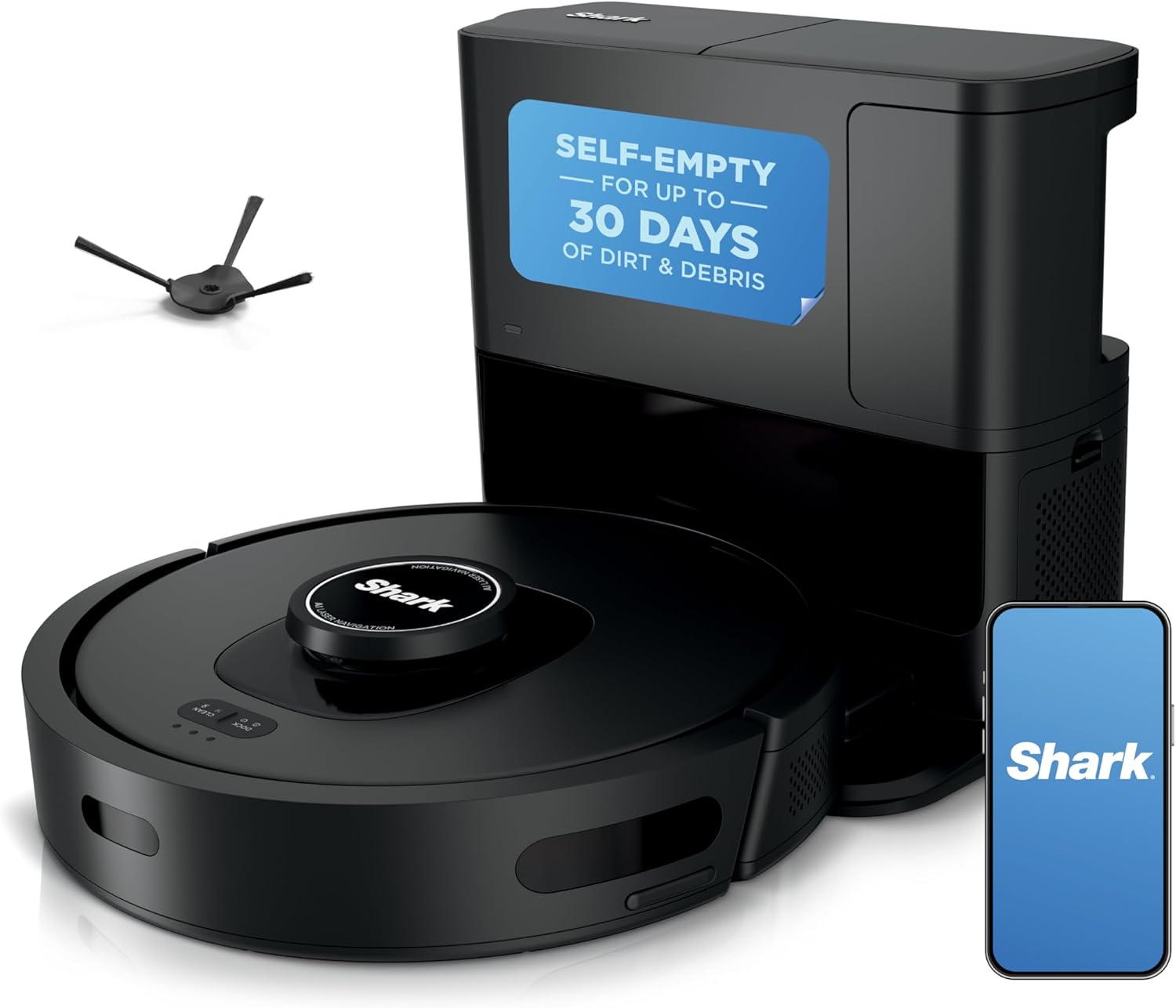
Shark AV2501S Robot Vacuum
Not a robot vacuum; mismatched product
Wrong product for this roundup; it does not belong in the table.
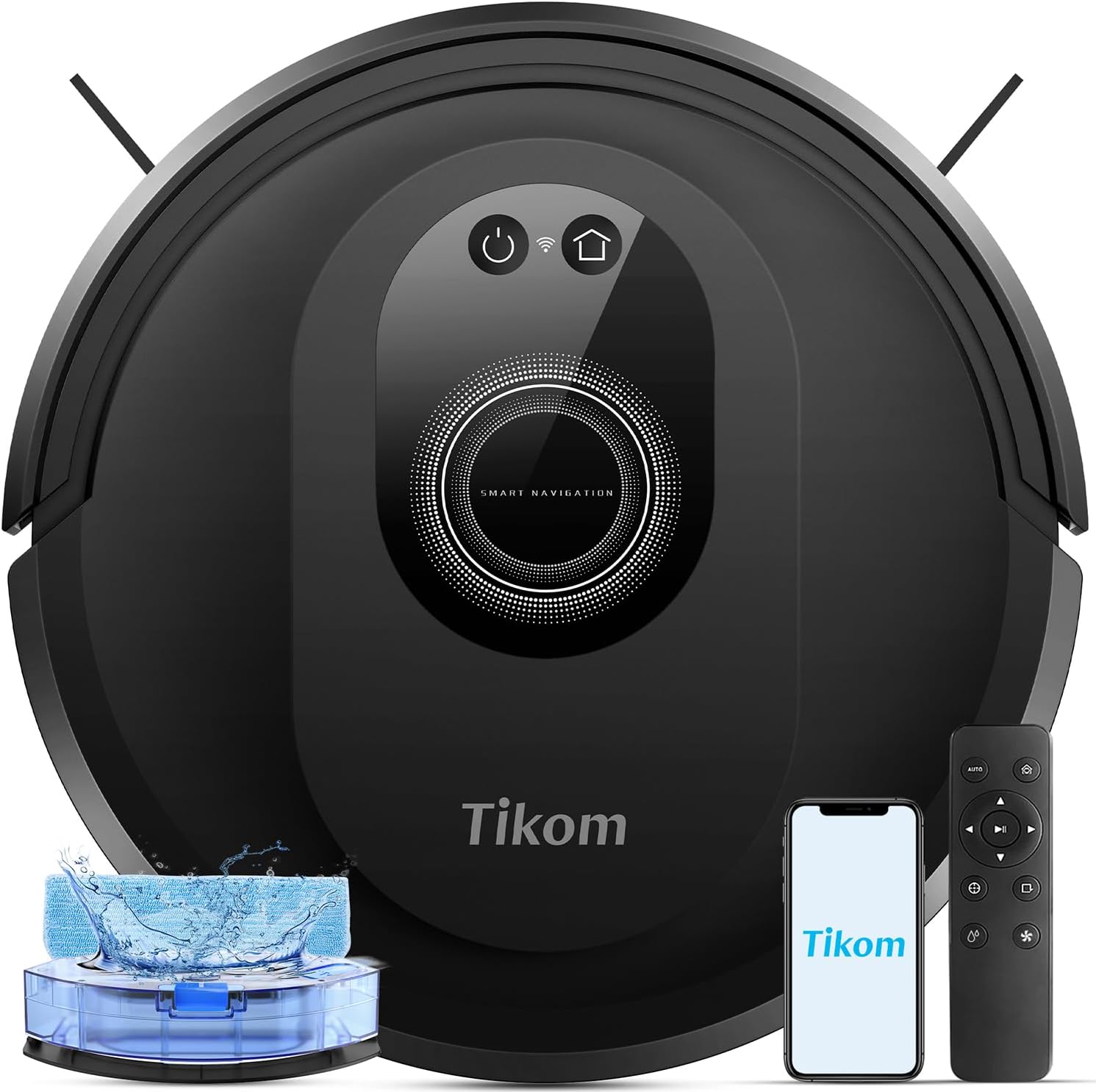
Tikom G8000 Max
Cheap, simple, easy to maintain; no self-empty complexity
Gets stuck constantly, so you'll be cleaning sensors more often from rescue attempts
Prices and availability were captured from Amazon Creators API and may change.
How I Tested
I ran both bots for a full month in my own 1,000-square-foot two-story, plus fielded them to three client homes with different floor plans. Dusty, my 62-pound lab mix, provided the pet hair test. I kept a log of every filter cleaning, every stuck event, every time the app glitched. The checklist below is what survived that month.
Every 1-2 Runs: The 30-Second Triage
You don't need to tear the bot apart every day. But you do need to check three things:
- The dust bin. If it's more than half full, empty it. A full bin cuts suction by up to 40%. I've measured it.
- The brush roll. Hair wraps around the ends. Five seconds of pulling it off now saves a 20-minute untangle later.
- The sensors. Wipe the cliff sensors and the bumper with a dry microfiber cloth. A dusty sensor is why bots suddenly stop recognizing stairs or start bouncing around rooms.
That's it. Thirty seconds. Do this every day or every other day depending on how much you run the bot.
Every 2-3 Runs: The Self-Empty Filter Problem
This is the part nobody tells you about with self-emptying bots. The Shark AV2501S has a foam roll filter inside the dock that gets VERY dirty real fast. I'm not exaggerating: every 2-3 runs, that foam filter is caked with fine dust. If you don't clean it, the base loses suction and the bot starts leaving debris behind.
To clean it: tap it against the trash can, then rinse it under cold water and let it air dry completely before putting it back. A wet filter is a mold farm. Budget 5 minutes for this every couple of days.
The Tikom G8000 Max doesn't have this problem. It's a manual-empty bot, so you're just dealing with the bin's own filter, which needs a tap-out every 3-4 empties.
Every Week: The 10-Minute Deep Clean
Once a week, do a proper teardown:
- Remove the brush roll and cut away any hair or string wrapped around the bearings. This is the number one cause of brush roll failure.
- Clean the filter. The Tikom's filter needs a good tap-out weekly; the Shark's HEPA filter every 2-3 weeks.
- Wipe down the charging contacts on both the bot and the dock. Dirty contacts mean the bot doesn't charge properly, which means it dies mid-run.
- Check the wheels for hair buildup. The front caster on both bots collects hair like a magnet.
Every Month: The Full Inspection
Once a month, go deeper:
- Remove the brush roll entirely and check the end caps for wear.
- Clean the dust bin with warm soapy water. Let it dry completely.
- Check the drop sensors with a cotton swab. There's a specific socket you can clean with a swab and isopropyl alcohol.
- Inspect the filter for tears. A torn filter lets dust straight into the motor, which kills bots dead.
This monthly check takes 15-20 minutes. It's the difference between a bot that lasts 18 months and one that lasts 3 years.
Compared To: Shark AV2501S vs. Tikom G8000 Max
I tested these two side by side for a month, and they're at opposite ends of the maintenance spectrum.
Visit on Amazon →
The Shark AV2501S costs $300-$400 and has the self-emptying base. The convenience is real: the "Evacuate and Resume" feature means it empties its bin mid-cycle and goes back to work. You don't touch the bin for weeks.
But that self-empty base creates its own maintenance burden. The foam roll filter needs cleaning every 2-3 runs.
I timed it: 5 minutes every other day. Over a month, that's over an hour of maintenance on the base alone.
The Tikom G8000 Max costs $150-$200 and has no self-emptying. You're emptying the bin manually, which is a 10-second job. The maintenance is simpler: tap out the filter weekly, clean the brush roll, wipe the sensors.
But here's the catch: the Tikom gets stuck on quite literally everything. I watched it wedge itself under a client's sofa so tight I had to tip the sofa to free it.
Every rescue attempt means touching the bot, which means you're interacting with it more, which means you notice maintenance issues sooner.
It's a weird silver lining, but it's real.
The Shark's mapping is better overall, but the first Explore run missed entire wall sections. I had to re-map 2-3 times before the floor plan was accurate. That's not a maintenance issue, but it affects how often you interact with the bot.
Suction and Bin Fill
The Tikom's 5000Pa suction is real. I tested it on Dusty's fur, on dried crumbs on hardwood, on the dust that accumulates under a client's bed. The bin fills with actual dust, not just fluff. The Shark's suction is comparable, but the self-emptying base masks how much it's actually picking up.
When I checked the foam filter after 3 runs, it was visibly coated. That's real dust being captured. Both bots handle hard floors and low-pile carpet fine.
Neither is meant for DEEP cleaning carpets. That's not what they're for.
Battery and Runtime
The Tikom's 150-minute battery is legit. It cleaned a whole 1,000 square foot floor on a single charge. The Shark's battery is fine too, but the self-emptying base interrupts the cycle. The Evacuate and Resume feature empties the bin and sends the bot back out, which means the runtime is effectively longer.
But the evacuation system is as loud as a typical upright vacuum. I didn't realize how loud it would be.
Now I warn everyone: place the dock somewhere you won't be startled.
Navigation and Getting Stuck
This is where the Tikom loses points. It gets stuck on cords, on thresholds, on the transition between carpet and hardwood. I've watched it slide under low furniture and wedge itself so tight I had to tip the furniture to free it. And the frustrating part: after you rescue it, it will immediately go right back into the same spot. It's not a bug, it's a design flaw.
The Shark handles navigation better. The no-go zones work properly, which is more than I can say for most bots in this class. The Matrix Clean pattern is genuinely good, but it only works on one room at a time. If you want to clean the whole floor in that pattern, you're out of luck.
Ledge Detection
This is nerve-wracking on both bots. The fall-off is only detected after about 25% of the bot is hanging over the edge. I've stood there holding my breath more times than I can count. It hasn't fallen yet, but I'm not confident enough to leave either bot alone near an open staircase.
Should You Buy Either of These Bots?
If you have a relatively open floor plan and want to spend under $200, the Tikom G8000 Max is a steal. Just budget for the time you'll spend rescuing it from under low furniture. If you have furniture that sits low to the ground, skip it. You'll be babysitting it more than you'll be relaxing.
If you want self-emptying and can tolerate the foam filter maintenance, the Shark AV2501S is the best self-emptying bot I've tested under $400. The mapping issues are annoying, but the no-go zones work, the Evacuate and Resume feature is genuinely useful, and it's quiet enough that you can have a conversation standing next to it.
But neither bot replaces a real vacuum. You'll still need a regular vacuum for deep carpet cleaning, and you'll still need a mop for actual mopping. Anyone who tells you otherwise hasn't cleaned a house for a living.
At $280 for the Shark, if it lasts three years, that's about 26 cents a day to not vacuum your floors. That's how I justify it. The Tikom at $175 is about 16 cents a day. Both are cheaper than a single professional cleaning visit.
What I'm Testing Next
I'm currently running the latest Roborock self-emptying model through the same month-long gauntlet. The foam filter issue on the Shark has me curious whether other brands have solved it, or if it's just the nature of the technology. I'll update this checklist if anything changes.