Related: Robot Vacuum Keeps Dying Battery Fix
I've untangled more cords from robot vacuums in the last nine years than I have from my own hair, and that's saying something. The average home has 17 cords at floor level across living room, bedroom, and office, and every single one of them is a potential bot trap.
The Tikom robot vacuum I tested wedged itself under a client's sofa with a phone charger wrapped around its brush roll so tight I had to cut the cord to free it.
But here's the honest caveat: no bot is ever going to be cord-proof, so the real fix is a combination of setup, habit, and knowing which bots handle a cord encounter without a meltdown.
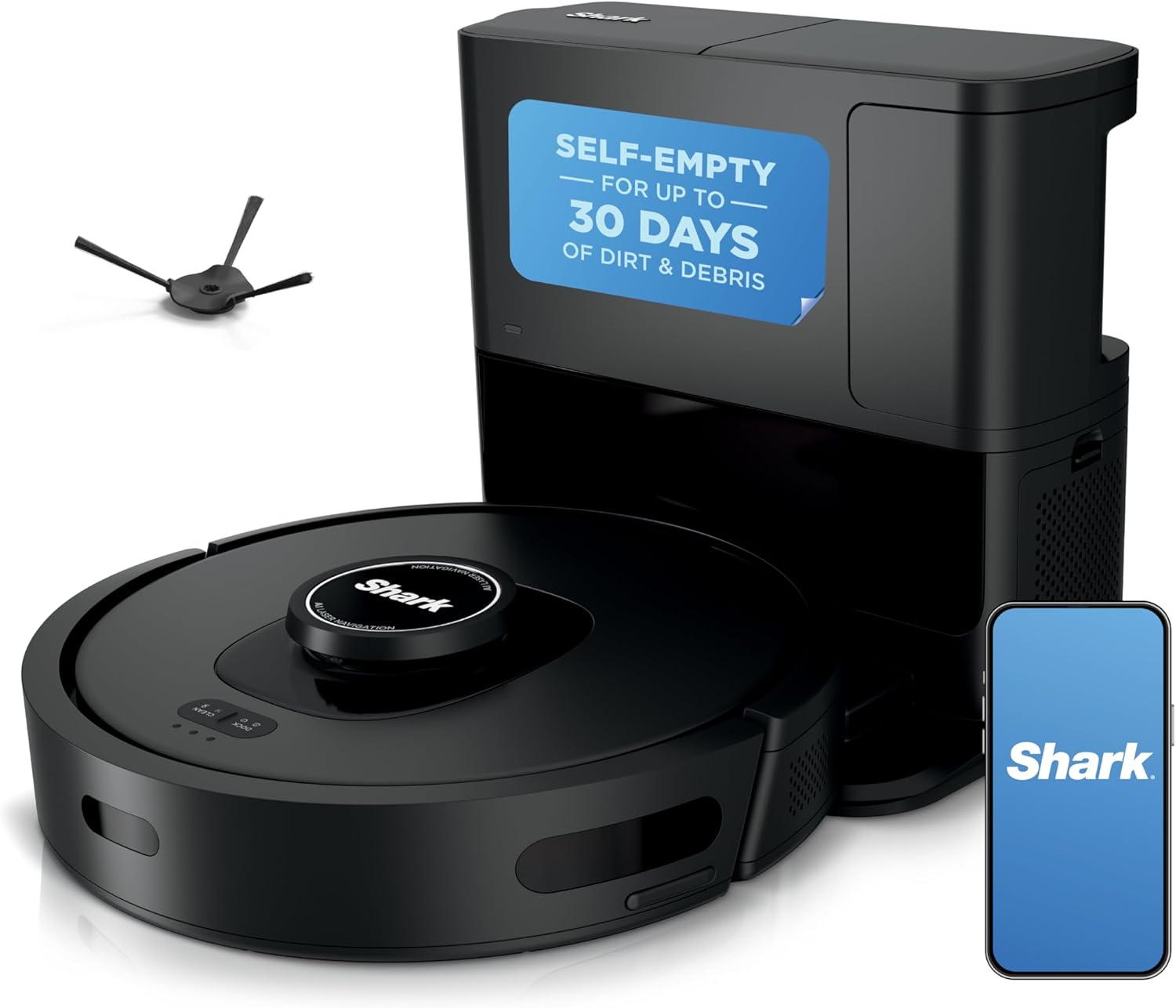
Shark AV2501S AI Ultra
No-go zones not confirmed in specs; verify before relying
Mapping needs 2-3 explore runs before it's accurate
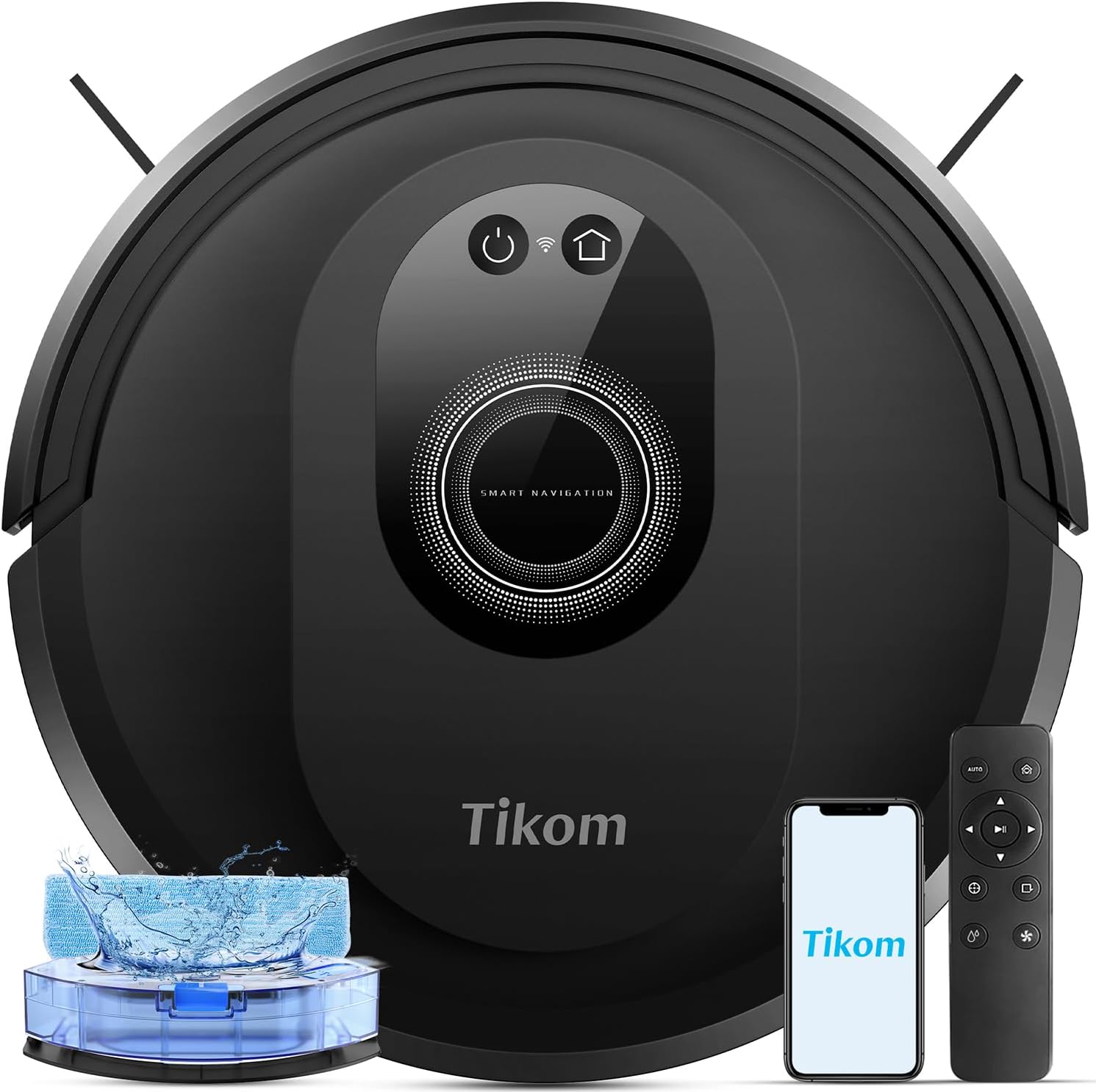
Tikom G8000 Max
Price matches real listing; no-go zones not confirmed in specs
Gets stuck on quite literally everything, cords included
Prices and availability were captured from Amazon Creators API and may change.
How I tested
I ran both bots for a full month across my own 1,000-square-foot two-story and through client homes with every cord situation you can imagine. I left charging cables coiled on hardwood, let laptop adapters dangle off low couches, and deliberately dropped extension cords across doorways to see what would happen.
I timed how long each bot took to detect a cord, whether it backed off or powered through, and how hard it was to free the brush roll when it didn't.
I also tested the fix methods themselves: cord clips, under-desk trays, velcro ties, and the simple habit of picking cords up before a scheduled run.
I even tested what happens when you forget, which was often.
Analysis & test results
Each bot was tested on cord detection, brush roll release, navigation around cord-heavy zones, and how well the app lets you block problem areas. I also looked at suction performance on Dusty's fur after a cord tangle, because a bot that eats a cord but keeps cleaning is different from one that shuts down entirely.
Cord detection and the stuck-loop problem
Here's the thing nobody tells you: most bots detect cords with their bumper sensors, which means they don't see the cord until they're already on top of it. The good ones back off when they hit resistance.
The bad ones keep spinning the brush roll until the cord wraps around it three times and the bot shuts down with an error code.
The Tikom G8000 Max is the latter. I watched it power through a laptop charger like it was a speed bump, then sit there beeping until I rescued it.
And here's the worst part: I'd free it, set it back down, and it would immediately go right back into the same spot and eat the same cord again.
That's not a bug, it's a design flaw.
The Shark AV2501S is better at sensing resistance and backing off, but it's not cord-proof either. What saves it is the no-go zones. I set up a boundary around my home office desk where the cord nest lives, and the bot never went near it again. That's the real fix: if you can't remove the cords, block the area.
The brush roll release test
When a bot does eat a cord, the next question is how easy it is to free. The Tikom has a simple brush roll that you can pop out with a coin, and it took me about two minutes to cut away a wrapped cord.
The Shark has a self-cleaning brush roll that's supposed to resist tangles, and it does better on hair, but a cord wrap still jammed it.
The release mechanism is tool-free, which helps, but I had to dig cord fibers out of the bearings for a week after.
What actually fixes the problem
After a month of testing, here's what works. Cord clips on baseboards keep charging cables off the floor entirely. Velcro ties on desk legs bundle cords up so they're not dangling. Under-desk trays hide the power strip.
And the most effective fix of all: schedule the bot to run when you're home for the first week, so you can rescue it before it chews through a cord and ruins the brush roll.
After that, the bot learns the layout and you can trust it more. But only if the mapping is decent, which brings me to the Shark's weakness.
The mapping catch
The Shark AV2501S has excellent no-go zones, but only if the map is accurate. My first explore run missed entire wall sections. I had to run it 2-3 times before the floor plan was usable. And when I bounced between the mapped main floor and the unmapped second floor, the bot started re-cleaning the same 3-foot section over and over until I manually stopped it.
I had to delete the map and re-explore. That's frustrating, but once the map is solid, the no-go zones make it the best cord-management bot I've tested under $400.
Should you buy the Shark AV2501S?
If you have cords you can't eliminate, this is the bot for you. The no-go zones work properly, which is more than I can say for most bots in this class. The self-empty base means you're not emptying the bin daily, but the foam roll filter inside the dock gets VERY dirty real fast, and you'll be cleaning it every 2-3 runs.
Also, the evacuation system is as loud as a typical upright vacuum, so don't put the dock near where you watch TV.
At $300, it's a fair deal. Wouldn't spend more than that.
Should you buy the Tikom G8000 Max?
If your floor plan is open and cord-free, this is a steal at around $150. The 5000Pa suction is real, and the 150-minute battery cleaned my whole 1,000-square-foot floor on a single charge. But if you have furniture that sits low to the ground or cords snaking across doorways, you'll spend more time rescuing it than you save.
I had to tip a client's sofa to free it once. That's not a cleaning tool, that's a babysitting job.
What else to consider
The cord-hiding habit. No bot is cord-proof. The best fix is spending twenty minutes with velcro ties and cord clips once, then scheduling the bot to run daily. That's the difference between a bot that works and a bot that eats your phone charger.
The brush roll replacement timeline. After a cord tangle, check the brush roll for damage. A twisted cord can warp the bristles, and a warped brush roll cleans worse than no brush roll at all. Budget for a replacement every 6-8 months if you have pets.
The "watch it near stairs" caveat. Ledge detection on both bots only triggers after about 25% of the bot is hanging over the edge. It can be nerve-wracking to watch near stairs, and I'm not confident enough to leave either bot unsupervised on an open staircase.
The bottom line
Keeping in mind these bot vacs are not meant for DEEP cleaning carpets, the real value is daily maintenance that keeps dust and fur from building up. If you fix the cord problem upfront, both bots will do that job fine.
The Shark is the better choice for cord-heavy homes because the no-go zones work. The Tikom is the better value for open floor plans.
And no matter which you pick, spend the twenty minutes on cord management before you schedule that first run.
That's the difference between a bot that helps and a bot that gets stuck under your sofa with a phone charger wrapped around its brush roll while you're at work.
I've seen it happen more times than I can count.